


Progress is one of the main reasons people join a gym. They want to get stronger, lose fat, improve stamina, move better or feel more confident. However, progress must be managed carefully. Training too aggressively or increasing difficulty too quickly can lead to injury, fatigue and frustration.
A professional fitness gym singapore experience should support safe progression. This means helping members improve gradually through better structure, suitable equipment, proper intensity and recovery. Safe progression is not slow progress. It is sustainable progress.
Why many people progress too quickly
When motivation is high, people often want fast results. They may lift weights that are too heavy, attend intense classes too frequently or increase cardio volume suddenly. This can feel productive at first, but the body may not be ready.
Muscles, joints, tendons and the nervous system all need time to adapt. If training stress increases faster than the body can recover, problems can appear. These may include soreness, poor form, low energy or injury.
Safe progression respects the body’s adaptation process. It increases difficulty in controlled steps rather than forcing dramatic changes.
Progressive overload must be planned
Progressive overload means gradually increasing training demand. This can happen by adding weight, increasing repetitions, improving range of motion, reducing rest time or increasing workout volume.
However, overload should not be random. Adding weight every session without considering form or recovery can be risky. A planned approach helps members improve while maintaining control.
For example, someone may first learn proper squat technique, then increase repetitions, then increase resistance. This is safer than lifting heavily before the movement is stable.
Proper form comes before intensity
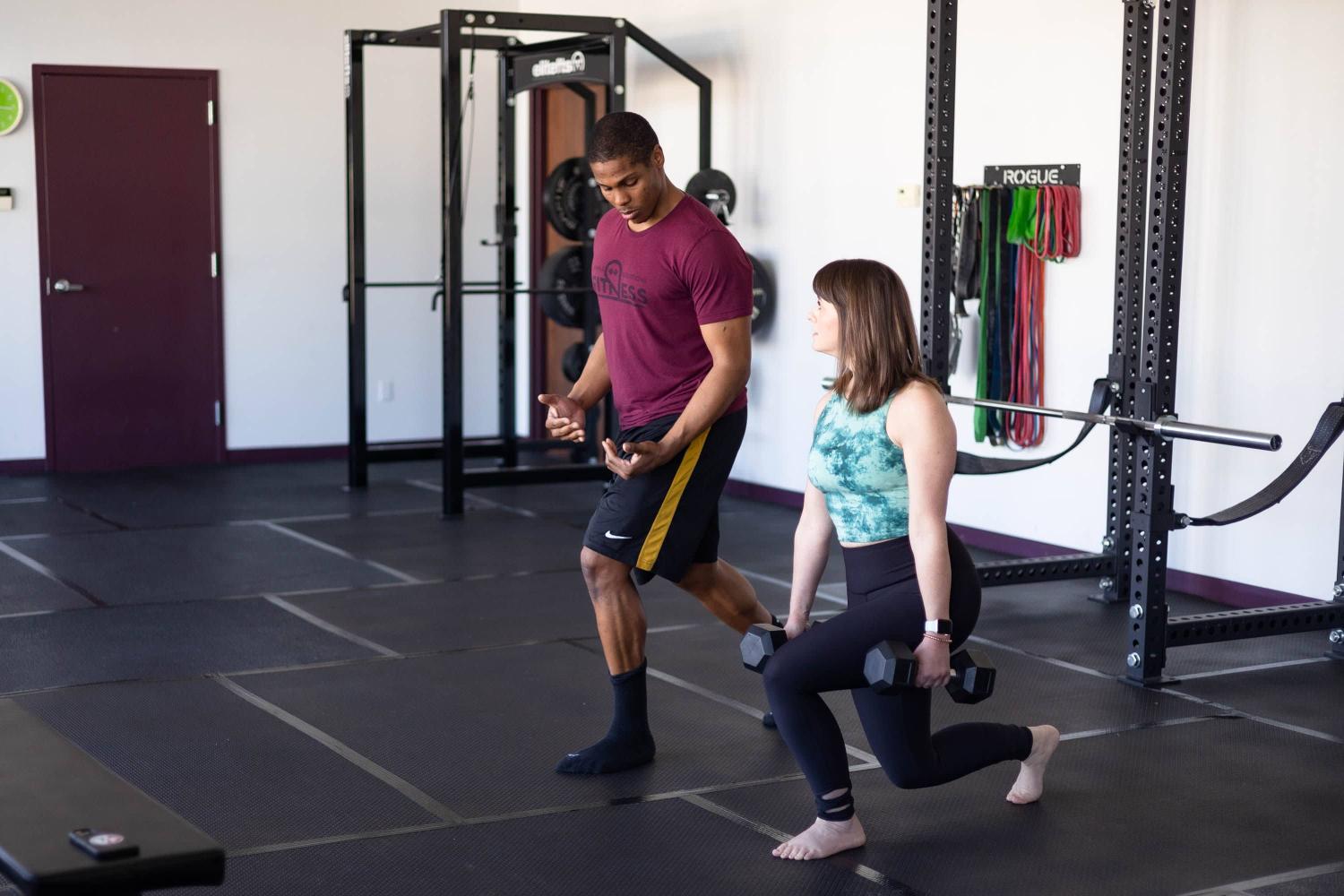
One of the most important rules of safe progression is that form must come before intensity. Poor form under light resistance may already create stress. Poor form under heavy resistance increases risk even more.
In a gym setting, members should focus on controlled movement, breathing, posture and joint alignment. Machines can help guide movement, while free weights require more coordination and control.
If form breaks down, the weight or intensity may be too high. Progress should only continue when movement quality is maintained.
Recovery determines how much progress is possible
Many people think progress only depends on effort. In reality, recovery determines how much effort the body can handle. Without enough sleep, nutrition and rest, even a good programme can become too demanding.
Recovery allows muscles to repair and energy systems to reset. It also helps prevent mental burnout. People who ignore recovery may feel motivated at first, but eventually their performance can drop.
A safe gym programme includes rest days, lighter sessions and mobility work. This keeps training sustainable.
Equipment choice affects progression
Different equipment serves different stages of training. Machines can be useful for learning movement patterns and targeting specific muscles. Free weights can develop coordination and strength. Cables allow controlled resistance in different directions. Cardio machines support structured endurance training.
A well equipped gym gives members options for progression. Someone may start with machines, then add free weights later. Another may use cardio machines to manage intensity before trying more demanding classes.
A facility such as True Fitness Singapore can be relevant for members who want a gym environment that supports different progression stages through varied equipment and training formats.
Safe progression reduces injury risk
Injury can interrupt fitness progress for weeks or months. Many common gym injuries are linked to doing too much too soon, using poor technique or ignoring warning signs.
Safe progression reduces this risk by allowing the body to adapt gradually. It also helps members recognise the difference between normal training discomfort and pain that should not be ignored.
Members should not view caution as weakness. Smart training protects consistency. The goal is to keep improving over the long term, not to impress during one session.
Tracking progress helps prevent guesswork
Progress tracking can be simple. Members can record weights, repetitions, cardio duration, class attendance, energy levels and recovery. This helps identify patterns.
If strength is increasing and energy remains good, the programme may be working well. If performance drops and soreness stays high, recovery may be insufficient. Tracking prevents emotional decision making.
Without tracking, people may either underestimate their progress or push too hard unnecessarily.
Safe progression builds confidence
When members progress safely, they build trust in their body. They learn that improvement is possible without extreme discomfort. This confidence encourages consistency.
People who feel injured, exhausted or confused often stop training. People who feel stronger and more capable are more likely to continue.
Safe progression creates positive momentum. It helps members enjoy improvement instead of fearing the process.
FAQ
I increased my weights quickly and now my joints feel uncomfortable. Should I stop training?
Do not ignore joint discomfort. Reduce the load, review your form and avoid painful movements. You may still train other areas, but the affected movement should be adjusted until it feels safe.
I want faster results. Is it bad to train the same muscle group every day?
Training the same muscles hard every day can affect recovery. Muscles need time to repair. A better plan rotates muscle groups and includes lighter days.
How do I know when I am ready to increase weight?
Increase weight when you can complete your current sets with good form, controlled movement and no pain. The last few repetitions should feel challenging but not chaotic.
I joined a gym after years of inactivity. How slowly should I start?
Start with manageable sessions two to three times per week. Focus on form, mobility and moderate intensity before increasing volume. The first goal is building consistency.
Conclusion
Safe progression is essential for gym based fitness programmes. It helps members improve strength, stamina and confidence without unnecessary injury risk.
For adults in Singapore, where busy schedules already create stress, training should support life rather than disrupt it. A smart progression plan allows fitness to become a long term habit built on control, patience and steady improvement.

Comments are closed.